

Top 8 Best-Selling Medical Books for November 2025

Price: $12.22

Key Features:

  • High Quality Materials
  • Fast Shipping
  • Customer Support
  • Money Back Guarantee

Top 8 Best-Selling Medical Books for November 2025

$12.22

Category:
Secure Purchase
Free Shipping
Easy Returns

Product Description

Danh sách Top 10 Medical Books bán chạy nhất tháng November 2025 được tổng hợp dựa trên dữ liệu thực tế từ Amazon.com. Các sản phẩm được đánh giá cao bởi hàng nghìn người dùng, với điểm rating trung bình từ 4.4 đến 4.8 sao. Hãy tham khảo danh sách dưới đây để chọn sản phẩm phù hợp với nhu cầu của bạn.

#1

The Body Keeps the Score: Brain, Mind, and Body in the Healing of Trauma
The Body Keeps the Score: Brain, Mind, and Body in the Healing of Trauma


Price: $19.69
4.8/5

(81,745 reviews)

What Customers Say:

  • Captivating!
    After being struck by trauma – combat, auto accident, assault, abuse – why do the dreams come and come and come? From where does the anxiety, distractedness, or outburst originate? Are there reasons for the gut balling up into a knot and the chest squeezing tight and feeling like it will implode when unwanted memories of the distress invade? Why does the recall come in pieces, chunks, or flashes? And then there’s the inability to communicate, the mental shut-down, the emotional-frigidity; what is that all about? Is there any way to move from the trauma and its aftermath to some sense of genuine wellbeing? All of these subjects, and more, are covered by Bessel van der Kolk, founder and medical director of the Trauma Center in Brookline, Massachusetts, professor of psychiatry at Boston University School of Medicine, and director of the National Complex Trauma Treatment Network, in his 464 page paperback, “The Body Keeps the Score: Brain, Mind, and Body in the Healing of Trauma”. This volume is written for both the helping-professions technician and therapist, as well as for the traumatized and their families. With thousands of book reviews already posted and published, I’ll make this review brief.“The Body Keeps the Score” unpacks the way trauma affects us, mind, brain, and body. The author looks at multiple forms of therapy, showing their strengths and limits. He recognizes that there are “fundamentally three avenues [of therapy]: 1) top down, by talking, (re-) connecting with others, and allowing ourselves to know and understand what is going on with us, while processing the memories of the trauma; 2) by taking medicines that shut down inappropriate alarm reactions, or by utilizing other technologies that change the way the brain organizes information, and 3) bottom up: by allowing the body to have experiences that deeply and viscerally contradict the helplessness, rage, or collapse that results from trauma” (3). Van der Kolk addresses each of these approaches while explaining in detail what harrowing ordeals do to people.The author’s proposition through the pages is that the anguish of assault and abuse “changes brain development, self-regulation, and the capacity to stay focused and in tune with others…experiences change the structure and function of the brain – and even affect the genes we pass on to our children…devastates the social-engagement system and interferes with cooperation, nurturing, and the ability to function as a productive member of the clan” (349, 351). One of the aspects that surprised me was how the “ventral vagal complex” – the vagus nerve that interfaces with other nervous systems – takes what my brain is experiencing (even re-experiencing through PTSD, etc.) and mobilizes muscles, heart, lungs and other body parts, so that I feel the alarm – or helplessness – or grief in my brain all the way down into my chest and stomach! Which means my body begins to take on muscle-memory (as we put it in martial arts)! Therefore, if “the memory of trauma is encoded in the viscera, in heartbreaking and gut-wrenching emotions, in autoimmune disorders and skeletal/muscular problems, and if mind/brain/visceral communication is the royal road to emotion regulation, this demands a radical shift in our therapeutic assumptions (88). It’s this “radical shift in therapeutic assumptions” that dominates the authors final eight chapters, where he methodically explains different “paths to recovery”. This is truly a captivating read!Van der Kolk weaves into the technical aspects of the book biographical and autobiographical tales that help the reader to see what has gone on, and not gone on, in the world of psychiatry and psychology regarding trauma. The stories also help to cement into the imagination and comprehension what he is trying to communicate. The book is reasonably technical with neuroscience, brain studies, physiology, professional acronyms and so forth. But the author is careful to not leave anyone in the dark. It is a fascinating read that treats the audience as mature enough to handle the subject and grasp the material. I disagreed with the evolutionary explanations of how the brain develops and found the little political rant in the epilogue disappointing. But beyond these, I was almost mesmerized by the book!“The Body Keeps the Score” is a whole textbook on physiology, brain studies and neuroscience, as well as therapeutic theories. It is not a self-help book, but readers who are looking for help will likely find it beneficial. Helping professionals may also find it advantageous as the author has a plethora of notes on various studies and articles. But I think that the biggest value will be for those who have family members, friends, and parishioners that have been through violent experiences. It gives a bigger and better perspective on what s going on, and they will be able to draw from the various paths to recovery approaches they can take as they seek to be part of the remedy and not the trauma. I highly recommend the book.
  • Look no further, this is as good as it gets ~ The finest book ever written about trauma & PTSD
    This is unquestionably the finest and most useful book ever written on the subject of trauma. Bessel van der Kolk M.D. has the incredible gift of being able to write a book on the subject of PTSD, and doing so in a way that is useful for clinicians, as well as for the general population. He does so in a matter of fact way, and makes the reader feel as if he/she is sitting by his side listening to him telling a story. He has the extremely rare ability to get through to the masses, and to do so without any pretense whatsoever. He seems like the kind of guy you could become friends with after meeting for just 5 minutes.The author speaks unequivocally about the dangers of trauma, and the lifelong suffering of individuals. He provides concrete solutions and a plethora of resources to help those who’ve been suffering for years, decades or even lifetimes.His ability to simplify the complex, is the cornerstone of this watershed book. Without doubt, the material presented by the author will be life changing, in that it provides brilliantly written examples of patients who’ve suffered from PTSD, and having been cured by using his methodologies.This book is living proof that it’s possible to present vital information in a format that provides for easy assimilation by a person suffering from PTSD, and enabling them to adapt to a new environment of freedom from harrowing nightmares and flashbacks. A seemingly impossible or at least improbable resolution to the above issues is made a whole lot easier by following the guidelines of the author.The writing style of Bessel van der Kolk M.D., is one of empathy and compassion throughout. There are no condescending remarks, nor anything other than some of the most useful and accessible information that I’ve ever come across. This is not just a brilliant book, it’s a once in a lifetime read, that in my opinion will be the go to resource on the subject of trauma and PTSD for generations to come.The author goes out of his way to provide easy to understand and follow explanations that will be universally helpful to both patients and mental health professionals. This is hands down, the most readable and accessible book about PTSD ever made available to the general population.Having a background in psychology, I was in total awe at the material presented in this book. It’s a must read for all clinicians in the field, and is written in such an accessible style that patients suffering from PTSD will find it the most valuable resource they’ve ever been presented with. It’s simplicity and usability leaves material listed in lesser books in the dust. It takes an exceptional talent to be able to write a book that is equally valuable for both clinicians and their patients. This is a book for the ages.Not just providing case histories and methodologies for conquering the devastating effects of PTSD, this book also provides invaluable resources for both clinicians and patients. Bessel van der Kolk M.D. has written the most informative, and highly readable book on PTSD ever published, period. Look no further, this is as good as it gets, a truly impressive and exceptionally well written book.
  • A powerful book for those wanting a deep dive into the sicience of trauma and recovery
    As a Behavioral Health Pharmacist, I work with many patients dealing with PTSD and other trauma-related mental health issues. I wanted to read The Body Keeps the Score to better understand how trauma affects the brain and body, and to be able to explain to my patients why sticking with their prescribed medications can be an important part of their healing process.This book is packed with information. Dr. van der Kolk does a wonderful job of explaining how trauma changes brain chemistry, often leaving people stuck in a cycle of stress and emotional distress. I found the discussions on fight, flight, or freeze especially interesting, as they really helped connect the dots between mental health symptoms and physical reactions. The book also explores different treatment approaches, including traditional therapies and alternative methods like yoga, drama, and neurofeedback, which I found useful.That said, this book isn’t the easiest to read. It’s dense, and at times, I felt like it could have been more concise. Some of the detailed trauma accounts were difficult to get through and might be triggering for some readers. I also think it could have done a better job acknowledging resilience—many people do recover from trauma without extensive therapy, and that wasn’t really addressed.Overall, I’m glad I read it. It gave me valuable insights that will help me guide my patients and explain why managing trauma often requires a combination of medication, therapy, and lifestyle changes. While it may not be for everyone, it’s a powerful book for those wanting a deep dive into the science of trauma and recovery.

The Body Keeps the Score: Brain, Mind, and Body in the Healing of Trauma is one of the best-selling products with 81745 reviews and a 4.8/5 star rating on Amazon.

Current Price: $19.69

#2

Man’s Search for Meaning

Man


Price: $12.22
4.7/5

(95,427 reviews)

What Customers Say:

  • “To suffer unnecessarily is masochistic rather than heroic.” How to find meaning in suffering.
    A MUST-READ!! ABSOLUTELY PSYCHE-SHATTERING!! A little slow at the start, BUT SO WORTH IT! I don’t think I’ve ever learned more in relation to how many pages there are, seriously, it’s so short, but insightfully and perfectly concise. Infact, theres basically only 2 chapters (one being the longest one I’ve ever read–92 pages!!)This book follows the authors life while he lost human rights under the National Socialist regime, and the understanding of suffering which helped him form his own therapy method–Logotherapy.”Logotherapy focuses rather on the future, that is to say, on meanings to be fulfilled by the patient in the future. (98)”This is easily my most highlighted book (and I didn’t start highlighting until page 66), so here’s some of my favorite things from the book I highlighted:”In *Man’s Search for Meaning*, he hastens to add that suffering is not necessary to find meaning, only that meaning is possible in spite of suffering. (159)””to suffer unnecessarily is masochistic rather than heroic. (159)””The prisoner who had lost faith in the future–his future–was doomed. (74)”(This booked quotes Nietzsche and Dostoyevsky most!)”How is it possible that men of flesh and blood could treat others as so many prisoners say they have been treated. (84)””A man who for years had thought he had reached the absolute limit of all possible suffering now found that suffering has no limits, and that he could suffer still more, and still more intensely. (92)””… after all he has suffered, there is nothing he need fear anymore–except his God. (93)””Our generation is realistic, for we have come to know man as he really is. After all, man is that being who invented the gas in the chambers of Auschwitz; however, he is also that being who entered the gas chambers upright, with the Lord’s Prayer or the Shema Yisrael on his lips. (134)””Love is the only way to grasp another human being in the innermost for of his personality. No one can become fully aware of the very essence of another human being unless he loves him. (111)””Nietzsche’s words, ‘He who has a why to live for can bear with almost any how,’ could be the guiding motto for all psychotherapeutic and psychohygenic efforts regarding prisoners. (76)””Frankl was once asked to express in one sentence the meaning of his own life. ‘…the meaning of your life is to help others find the meaning of theirs’ (165)” *one of the last sentence in the book*
  • The Importance of Meaning (Logotherapy)
    The author, a Holocaust survivor and psychologist, discusses both his experiences in the Nazi camps and his psychological school: “logotherapy”. The goal of logotherapy is to help the patient find meaning in life, as the author believes that finding meaning in life is central, especially when it comes to overcoming suffering.The author believes that meaning can be found in three ways: (1) through creating something, (2) through experiencing something (including deep love for another), and (3) by the attitude we take toward unavoidable suffering. The author emphasizes “unavoidable”, because in his view if suffering can be avoided then the cause of suffering should be removed — unnecessary suffering is masochistic, not heroic.Two points of the author’s psychological approach reminded me of Stoicism and Buddhism. First, the author notes the importance of choosing how we respond to events: “everything can be taken from a man but one thing: the last of the human freedoms — to choose one’s attitude in any given set of circumstances, to choose one’s own way.”Second, the author emphasizes the relationship between freedom and responsibility. To him, they are two sides of the same coin, and he notes that America’s Statue of Liberty should be paired with a Statue of Responsibility on the west coast.
  • Never underestimate the power of life affirming ideas!
    This is an amazing book–broken into two remarkable parts. The first recounts, not chronologically so much as progressively, the experience of the concentration camps during the Second World War. Frankl’s tale of man’s search for meaning in what one naturally assumes is a meaningless road to destruction, is ultimately inspiring, heroic, and beautiful. By itself, it is among the most profound of the holocaust camp memoirs.The second, which flows from the first, describes Frankl’s therapeutic approach known as “logotherapy.” This school is built on the notion that man is striving or searching for meaning and that therapy’s primary goal should be to aid him in that quest–to finding one’s own “will to meaning.”For anyone looking to see some stunning concretizations of the power of ideas–good and terrible–there are few more arresting books.

Man’s Search for Meaning is one of the best-selling products with 95427 reviews and a 4.7/5 star rating on Amazon.

Current Price: $12.22

#3

Hábitos atómicos (Español neutro): Un método sencillo y comprobado para desarrollar buenos hábitos y eliminar los malos

Hábitos atómicos (Español neutro): Un método sencillo y comprobado para desarrollar buenos hábitos y eliminar los malos


Price: $14.29
4.8/5

(11,981 reviews)

What Customers Say:

  • Habitos Atomicos
    Atomic Habits is an inspiring, easy-to-read guide on how small daily improvements can lead to big results. James Clear offers simple, science-backed strategies to build good habits, break bad ones, and stay consistent over time. This book truly helped me focus on progress, not perfection — highly recommended for anyone looking to grow and improve.
  • Life-Changing Book!
    Atomic Habits is one of the best books I’ve ever read for personal growth and self-discipline. It teaches you how small daily habits can completely transform your life over time. The author explains everything clearly, with real examples that make it easy to apply in everyday life.What I love most is how practical it is — you don’t need to make big changes, just focus on improving 1% every day. Since I started applying what I learned, I’ve noticed real progress in my productivity and mindset.
  • Hábitos para nuestras vidas
    The book focuses on how small habits, constantly repeated, can generate extraordinary results. James Clear proposes a practical and scientific method to build good habits, eliminate bad ones and, above all, design an environment that facilitates positive change.⸻???? Main ideas:1. Habits are the compound of personal growth.Just as compound interest multiplies money, habits multiply success or failure depending on whether you maintain or neglect them.2. It’s not about goals, but about systems.Clear teaches that goals give direction, but systems are what really move you forward.3. The 4 laws of behavior change:• Make it obvious.• Make it attractive.• Make it easy.• Make it satisfying.These laws help to create and maintain good habits, and also to break the bad ones.4. Your identity matters more than your goals.Changing the most effective habits comes from changing the way you see yourself: instead of “I want to run”, say “I’m an active person.”
  • A Life-Changing Guide to Better Habit️
    Atomic Habits is a powerful and practical book that shows how small changes can lead to big results. The author explains smart and simple strategies that anyone can apply in daily life to build good habits and break bad ones. It’s motivating, easy to read, and truly life-changing. Highly recommended for anyone looking to improve and grow!
  • Book
    Atomic Habits is an outstanding book that truly delivers practical and actionable advice for building better habits. James Clear explains complex concepts in a very simple way, using real-life examples and clear strategies that are easy to apply in daily life. What I loved most is how he emphasizes small, consistent changes that compound over time to create extraordinary results. The book is motivating, well-structured, and very easy to read. I highly recommend it to anyone who wants to improve their personal or professional life through the power of good habits.
  • Life-Changing and Easy to Apply
    This book completely changed the way I think about personal growth. James Clear explains how small daily actions can create long-term success in a very practical and relatable way. I love that it’s not just theory — it gives you real steps to build better habits and break bad ones. Definitely a must-read if you want to improve your mindset and discipline.
  • Util
    Interesante. Util
  • A gift to myself that truly changed my mindset
    This book has been one of the best gifts I’ve ever given myself. I always keep it on my nightstand to read a few pages before bed. Every chapter inspires me to improve gently, one small step at a time. It’s a simple yet powerful book that truly makes a difference.

Hábitos atómicos (Español neutro): Un método sencillo y comprobado para desarrollar buenos hábitos y eliminar los malos is one of the best-selling products with 11981 reviews and a 4.8/5 star rating on Amazon.

Current Price: $14.29

#4

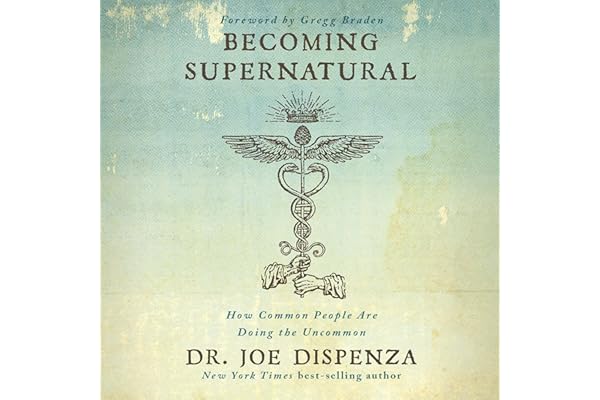
Becoming Supernatural: How Common People Are Doing the Uncommon

Becoming Supernatural: How Common People Are Doing the Uncommon


Price: $27.30
4.8/5

(22,493 reviews)

What Customers Say:

  • just like you and I
    Becoming Supernatural: How Common People Are Doing the Uncommon, by Dr. Joe Dispenza, can place you on the path of transforming your future – in the present.This is a time in history when it’s not enough to know – this is a time in history to know how…Dr. Joe Dispenza.Right now – in the present – is the only time we have. The past and the future are of value only in so far as they enable us to make the changes needed to get where we want to be(come). If you want to live a more powerful life that is not simply a replay of your past beliefs and habits and is willing to take some reasonable steps to get there, then you need to read Supernatural: How Common People Are Doing the Uncommon.It’s been almost four years since Dr. Joe’s last book, You are the Placebo. Fully 93% of those who wrote an Amazon review has rated it as a 4 or 5. My own review is one of those, which I’m proud to say is currently ranked #1 of the more than 700 so listed.Given that Dr. Joe literally saved my life several years ago when he was still working full-time at his chiropractic practice, it’s a small repayment. For several weeks, I suffered incredible non-stop pain from a ruptured disc. The region’s top surgeon opined that “Your only option is spinal fusion.” Dr. Joe disagreed. With his bodywork, meditative teachings, and encouragement, along with training suggestions from Professor Bradley Steiner, my martial arts instructor of 30 years, I was able to cheat the hangman as my disc repaired itself.Several years of quantitative analyses on students in his Advanced 4-day workshops in many venues, literally around the globe have led to this, his latest book. Confirmation of the model came from analyzing and measuring brain waves/scans, neurotransmitters, and heart coherence, as well as internal and external energy levels. He concludes, “We now have data from common people, just like you and I, so that once they understand what they’re doing and why they’re doing it, (practicing and implementing) the ‘how’ gets easier.” You can “tune in to frequencies beyond your material world” by breaking habits of the old self and creating a new one.Paying attention is being present. We spend the majority of our time either living by past emotions/habits or anticipating the future overlain with the old guideposts. When we get there, that past is recycled into the same behaviors, and nothing really changes.Eastern mystics and religious leaders have advanced the practice of “being present”. But this powerful concept doesn’t keep us from dredging up past behaviors and replicating them, if not in the present, then certainly in the future, when we invariably “fall out of being present”. You are the Placebo, now reinforced “on the proof side” with an additional four years of scientific, measurable, objective data as recounted in Supernatural, clears the decks. Common people just like us can now see how to go about becoming uncommon, and capable of achieving benefits on the scale of those who have led the way.Understand that your thoughts create your life. Accept that if you keep thinking the same way, you’ll have the same (unsatisfactory?) experience, the same mental anguish, the same untoward physical response. In any skill set – martial arts, mountain climbing, driving a car, you’re going to respond in the event the same way you train. Without a change, won’t your future be just like your past, since those habits are still the drivers of that future?You may not have attended a conference. But as my Canadian friends like to say, “No worries!” Don’t hesitate. Read Supernatural and see how all the evidence indicates that effecting change is much less complicated than you might imagine. Also, read You Are the Placebo, then get to work following the trail Dr. Joe has blazed, and which is now being successfully traversed by so many others just like you.A few things help me stay on the path. When negative self-talk crops up, I quickly defuse its effect by simply thinking “Release”. You might visualize the idea sailing away or disintegrating – before it can become a feeling, followed closely by a physical sensation of tension, anger or depression. Even if it persists for a while, it seems to have been stripped of its power to bother me. Soon, I get up and do something as it fades away, having deprogrammed my subconscious one more time.Second, find a couple of things each day for which to be grateful. Try to choose something you’d like which has not yet taken place. The powerful act of expressing gratitude before it happens is an element in creating the future you wish to experience. Dr. Joe is the only person I’ve ever met who suggested this…and it works!Third, certain words or phrases can be highly emotive. Before arising each morning, I state silently, “I approach this day with Gratitude, Respect, Observation, and Wisdom (GROW).”Finally, release these thoughts into the Quantum Field, asking that they are organized in a helpful way; that they are returned in an unexpected, powerful, and positive manner.Dr. Joe states, “The only way to become “supernatural” is we have to start doing what feels unnatural – then keep doing it over and over again. We can create better lives for ourselves. In fact, each of us possesses the anatomy, chemistry, and physiology needed to become supernatural—it’s merely a matter of awakening it and activating it.”As you reflect upon and practice what Dr. Joe teaches in his seminars around the globe and now, in his fourth book, Supernatural: How Common People Are Doing the Uncommon, you will be acquiring the tools necessary to build an exceptional future before it even arrives! Better able to regulate your internal state regardless of what’s going on in the outside world. Your behavior will more closely align with your intentions. You’ll be more attached to the future-present than your past-present. As your thoughts and actions begin to mesh, what’s unnatural will become supernatural. I am grateful that these elements are at work in my own life. They can help transform yours as well!
  • Awesome Book!
    Dr. Joe Dispenza is really good at explaining the strategies needed to get from a place of nothing to another destiny called your place of just being. Watching all his YouTube videos is what made me get this book.
  • Love me
    Love Joe Dispenza. This book and You are the placebo are life changing.
  • Changed My Perception of Emotions
    Before I even finished the book I really began to accept the fact that I am Supernatural and so is everyone.
  • Dr. Joe
    Excellent.
  • where is the PDF?
    docking a star because the PDF that is mentioned specifically as being included with the Audible purchase does not exist. still a great read, but don’t appreciate being told something false.
  • Inspirational & practical
    Together with other books of Joe Dispenza gave me more clearer view on how to work on myself and change my life & energy
  • Must read
    Would highly recommend this book and all other Dr.joe Dispenza’s books

Becoming Supernatural: How Common People Are Doing the Uncommon is one of the best-selling products with 22493 reviews and a 4.8/5 star rating on Amazon.

Current Price: $27.3

#5

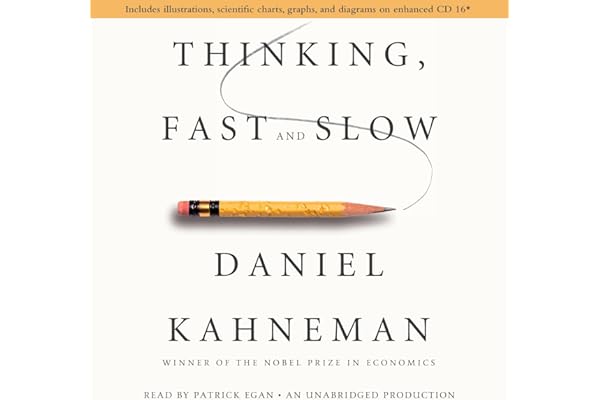
Thinking, Fast and Slow

Thinking, Fast and Slow


Price: $21.66
4.6/5

(47,245 reviews)

What Customers Say:

  • Required reading for educated people, but falls short as a model of mind
    This is an invaluable book that every person who considers him/herself educated should read – even study. Indeed, it is a scandal that mastering the material in this book isn’t considered an essential component of a high school education.The author was awarded the Nobel in Economics for his work on what he calls decision theory, or the study of the actual workings of the typical human mind in the evaluation of choices, and the book itself presents the findings of many decades of psychological studies that expose the endemic fallacious thinking that we are all prone to, more or less. The lives of all of us could be improved by lessons learned from this book, not just individually, through self-education, but also on the large scale, if the large scale decision makers in this society in and out of government could be educated as well. In fact, it is largely because these large scale decision makers are no better than the rest of us in their ability to think straight and plan well, that society is as screwed up as it is, and that essentially all of its institutions are diseased and corrupt. The lesson there, however, is that decision making needs to be returned to the individual – that the powers that be need to be deprived of their powers to mess up the lives of the rest of us.Despite the many virtues of this book – it is well-written, engaging, and its academic author reasonably restrained in the tendencies of his tribe to blathering in abstractions – it is a bit disappointing at the very end, when the author proves unable to synthesize all his material into a comprehensive theory of the thinking, and deciding mind – or at least into a set of carefully formulated principles that provide a succinct summary of the principles of human thinking, both typical and ideal.Kahneman uses throughout a construct that implies that we are of two minds: System 1 is the fast-thinking, intuitive, mind, prone to jumping to conclusions; while System 2 is the slow-thinking analytical mind, that is brought into play, if at all, only to critique and validate the conclusions that we have jumped to. System 2, we are told, is lazy, and if often just rubber-stamps the snap judgements of System 1, or if pressed, rationalize them, instead of digging critically as well as constructively into the complex underpinnings of the material and sorting them out as best it can.Instead of working this construct up into a comprehensive model of mind, K merely uses it as a loose schema for representing the kinds of thinking thought to underlie the results derived from the many psychological experiments that he here reports on. This neglect raises the question at many points as to just how well the experimenters have really understood the thinking that underlies the behavior of their subjects. But this, I am sorry to say, is a weakness of virtually all psychological experimentation, which is still just beginning to come to grips with the complexity and varieties of cognitive style of the human mind.What Kahneman does do, however, is to provide convenient labels for many characteristic types of fallacious thinking, although again, the exact role of System 1 and System 2, and their interaction, is inadequately explicated. Instead, towards the end of the book, another, somehow related, but nominally independent theme is developed: the disturbing divergence between the experiencing self and the remembering self. This is in itself such an interesting and important idea, so pregnant with both psychological and philosophical implications, that it could have used a fuller treatment, and again, there is no coherent integration of this theme with the System1/System2 construct.The idea here is that our present experience includes our most salient memories of previous experiences – for example the highlights of past vacations, or out of the ordinary episodes of our lives. Somewhat surprisingly, though, what we remember is a systematic distortion of the actual experience. Our memory collapse the duration of various aspects of our experience and highlights only the peak moment(s) and the final moments, perhaps with a nod toward the initial presentation of the experience. And this systematic distortion of the actual experience in all its fullness, can lead us to make irrational and detrimental choices in deciding whether to repeat the experience in the future. Thus, a bad ending to an otherwise wonderful experience can spoil the whole thing for us in memory, and cause us to avoid similar experiences in the future, even though by simply anticipating and improving the ending we might make the whole experience as wonderful as most of the original was. Likewise, subjects in experiments involving either long durations of pain, or much shorter episodes of pain with a higher peak, were consistently more averse to the latter rather than the former – or they overemphasized the way these presentations ended as a factor in judging them as a whole.These are important findings that go the heart of the question of how best to steer our course through life, but here is the only attempt at integration of this remembering vs experiencing self theme, and the System 1/ System 2 theme that I find in the final chapter, Conclusions:”The remembering self is a construction of System 2. However, the distinctive features of the way it evaluates episodes and lives are characteristics of our memory. Duration neglect and the peak-end rule originate in System 1 and do not necessarily conform to the values of System 2″.There is more here, but it merely repeats the earlier analysis of the relevant experiments.No evidence is presented as to the respective roles of System 1 and System 2 with respect to the laying down of memory, to its decay, or with respect to a recently discovered phenomenon: memory reconsolidation. Nor is any account taken of what has been learned, much of it in recent decades, about the interactions between short, intermediate, and long term memory, or any of the radically different modalities of episodic (picture strip) and semantic (organized, abstracted) memory. Consequently, Kahneman’s vague reference to the “characteristics of our memory” is essentially a ducking of the question of what the remembering self is. I think that at best, the finding of the replacement of the original experience by an abstract predicated on peak-end bias is an exaggeration, though there’s no question that “duration neglect” is in operation, and a good thing too, unless K means by “duration neglect” not just the stretches of minimally changing experience (which have little memorial significance anyway, but even the consciousness of how long the edited out parts were (this distinction was never made in Chapter 35, where the theme of the remembering vs. the experiencing self is first taken up).Speaking for myself anyway, I have a much fuller memory of my most important experiences than Kahneman seems to indicate. Naturally the highlights are featured, but what I tend to remember are representative moments that I took conscious note of at the time, as though making a psychological photograph. I remember these moments also because I bring them up from time to time when I’m thinking about that experience. For example, I’m thinking now of a long distance race I did in 2014 (a very tough half-marathon, with almost 2000′ of climbing). I remember: the beginning section as well as the ending section; each of the rest stations; certain moments of each of the major hill climbs; at least one moment from each of the descents; and a number of other happenings during the almost three hour event. For me in this race, the peak experience occurred right at the end, when I all but collapsed, yet managed to stagger to the finish line. That ending does naturally come first to mind as a representation of the entire event, but it is merely the culmination of a long and memorable experience with many moving parts, and if I want, my remembering self can still conjure up many other moments, as well as a clear sense of the duration of each of the sections of the course.Over many years most memories fade, and it’s certainly reasonable to suppose that in extreme cases, where they are all but forgotten, only a single representative moment might be retained. However, if we can say anything for sure about memory it is this: we remember what we continue to think of and to use, and we do that precisely because this material has continuing importance to us. The recent research in memory reconsolidation tells us that when we do bring up memories only occasionally, we reinforce them, but we also edit and modify them to reflect our current perspectives, and sometimes we conflate them with other seemingly related knowledge that we’ve accrued. We are thus prone to distort our own original memories over time, in some cases significantly, but we may still retain much more of the original experience that just the peak and the end, and if we do reinterpret our memories in the light of more recent experience, that’s not necessarily a bad thing. In any case, the memories that occur in the present may be said to be a joint project of the experiencing as well as the remembering self, which rather erodes the whole Two Selves concept that Kahneman first posited.I do not mean to criticize the valuable evidential material in the book, and in general I think that Kahneman, and the other researchers and thinkers whom he quotes, have drawn reasonable conclusions from the experiments they report on. But ultimately, the book, as well as the fields both of psychology and brain neurophysiology suffer both in coherence and meaningfulness because they aren’t predicated on a more comprehensive theory of mind. It’s the old story in science, first formulated by Karl Popper in his 1935 book, The Logic of Scientific Discovery: unless we approach the data with an hypothesis in mind – unless, indeed, we seek out data likely to be relevant to a particular hypothesis, we’re not going to make any enduring progress in understanding that data in a comprehensively meaningful way, let alone be able to make falsifiable deductions about elements of the system for which we have at present no data. Popper’s quotation from the German philosopher Novalis comes to mind – “Theories are nets: only he who casts will catch.”In the final, “Conclusions”, chapter, K caricatures the abstract economists’ model of homo econimicus (man as a rational optimizer of his utility), contrasting it with the more sophisticated and experientially grounded model of psychologists such as himself. In keeping with his penchant for framing (or spinning) his presentation favorably to his own perspective, he calls the economists’ model “Econ”, and his own “Human”. In fact, “Econ” was never meant to represent man in all his humanity, and Kahneman’s Economics Nobel, recognizing his decision theory contributions to economics, was preceded by many other Nobels to economists who had been expanding the concept of the economic actor into psychological territory for decades. In fact, the essential view of the Austrian economists dating from the 1920s (von Mises, Hayek, and their predecessors) is that economics is in the end wholly dependent on psychology because it is predicated on the unknowable, unquantifiable subjective value preferences of humans, acting individually and in concert. Cautious generalizations can perhaps be made about human psychology in general, but I think that on the whole the Austrians have been a bit wiser in their restraint than Kahneman and his many, and mostly lesser, pop psychology compatriots have proved in their often sensationalist extrapolations from lab experiments.Here is an example, I think of Kahneman over-reaching. He speaks repeatedly of the laziness of System 2, and its foot dragging reluctance to get involved in the thinking process, but in the real world, snap judgements are good enough for immediate purposes, and the better part of rationality may be to go with one’s fast thinking intuitive System 1: indeed, Kahneman acknowledges this himself in passing, both in his beginning and his ending, but this isn’t enough to counterbalance the overall argument of his book.Kahneman also, in his final chapter, speculatively extends his findings into the political sphere (his liberal Democratic Party bias has already been made clear by gratuitous and somewhat annoying usage of salient modern politicians in examples), but not to any great effect.Kahneman advocates “libertarian paternalism” consisting of government programs that people are enrolled in automatically unless they opt out by checking a box on forms – thus manipulating the presentation frame so as to trick them into signing on to what some government bureaucrat thinks is good for them. Of course, as long as people are allowed to opt out, one can’t call the choice here anything but libertarian, though to be consistent with their socialist mores, liberals like Kahneman really ought to object to such practices as being manipulative advertising. This libertarian finds nothing objectionable about the way such a choice might be presented – after all, the average man, if adequately educated and prepared for the real world, should have no trouble seeing through the frames. What is not only paternalistic, but totalitarian in spirit, is the extortion of taxpayer money to finance such government programs in the first place.Somehow, it fails to occur to Kahneman that most people could be trained to recognize and avoid fallacious thinking during all those years of enforced and mostly wasteful schooling – just as most people can be trained to recognize the Müller-Lyer illusion for what it is. IMO every high school graduate should be required to learn to recognize and avoid the paradigm cases of fallacious thinking presented in Thinking, Fast, and Slow, and this material could profitably be expanded to cover the many rhetorical tricks used by the manipulators and spinmeisters, both public and private, who batten off of our society. With such training in critical thinking, and with the reintroduction of enough honest and rigor to begin high school graduates up to the 12th grade reading and writing proficiencies that were routine in the 1950s, the need for college as life preparation would be altogether obviated, and most young people could avoid wasting their early years in college, piling up debt, and get on with their work and/or their self-education, as they chose.
  • Reduces a serious subject to a trivial exercise in self-improvement
    I will not argue here whether Kahneman gets it right or wrong. Plenty of other reviews here to satisfy those appetites.I am an admirer of Kanheman and Tversky’s meticulous and often brilliant original experimental research, which provoked the hypothesis that our brains are hard-wired for making systematic errors in judgement and obstruct more thoughtful responses to information. To their credit these two psychologists refused to accept that one could take such inferences from their work. But their research did, again to their credit, provoke neuroscientists and others to investigate that possibility. Indeed, after enough actual data was collected through MRI studies and other credible methods, it was confirmed that there were, indeed, two different regions of our brains that handled incoming signals (information) in two very distinct ways. The reactive region, adjacent the occipital lobe, is the command and control center, a triage processor that sorts out “immediate” threats to the organism which it handles, itself, in the most efficient (least thoughtful) way, saving time, and perhaps the life, of the organism. The other part, our familiar neo-cortex, works with whatever signals the reactive-brain considers of low-threat potential and does not, itself, need to act upon. The contemplative-brain may not even receive any information about what happened after a serious threat event, after the fact. We see them, somewhat in shock, not recalling anything of what just transpired or what they didMy disappointment in this book was that its very title, betrays what was a good start on what may be the most important discovery about how and why we think (or don’t think) the way we do. Instead, this volume strays far from the disciplines of science and into the realms of pure speculation. Limited sample of “cases” that hardly rise above the level of subjective anecdotes and wild hypothesis about the “energetics” of these processes, let alone speculations on the interactions between the two regions (e.g. a smile that indicates contemplative, frontal lobe processing) remain unexplored territory. We haven’t even begun to look at the details of energy transfers and economies used by our brains to say much about that at all. As said, even the title “Thinking, Fast and Slow” is a species of betrayal. His nomenclature encourages the least useful avenues for research, while diverting attention from what may be some of the most important questions we face. It is why I use the terms ‘reactive-brain’ and ‘contemplative-brain’ to describe these distinct process, rather than ‘fast/slow’ or ‘system1/system2’. My nomenclature would at least call attention to explore things like someone hearing a couple of people proclaim they had a bad reaction to vaccine and then ignoring all evidence, statistical and biological, to the contrary even as they and their children spread or die of a disease in far greater proportion than those who have been vaccinated. They are clearly reactive mode, giving very little thought to the matter at hand. The threat alarm is sounded, and they respond immediately. Why else would someone approve of putting a person like RFK in charge of public health? Could it be, they all operate in a reactive mode which gives little room for thoughtful considerationIt is a reasonable hypotheses, that the problem lies in how that master triage center, our reactive-brain, adjusts its tests for “immediate threat” content and, over time, has allowed for more and more remote and abstract “potential threats”, to trigger its mechanisms. Manipulations through fear, no matter how unwarranted and unfounded, easily serve to remove thoughtful control of important matters, no matter how remote they may be. True, that is just an hypothesis, one among many, but reasonable enough to call for further investigation. Reducing such matters to pop-psychology speculations on cerebral energy relationships or exercises in ‘self-improvement’ and ‘making better business decisions’ certainly doesn’t encourage us to look into these far more important questions. What this book does, is ignore these more important questions, and focus the reader on arguing over how boring or exciting the subject maybe, or whether his statistics take acinto count luck or intuition, as most of the reviews here do. Looked at through the lens of the subject, one might reasonably say the comments here could be characterized as being primarily reactive. Two stars for continuing the discussion of this important subject; zero stars for how badly it has distracted us from more important questions that need to be explored, and real research encouraged to answer them.

Thinking, Fast and Slow is one of the best-selling products with 47245 reviews and a 4.6/5 star rating on Amazon.

Current Price: $21.66

#6

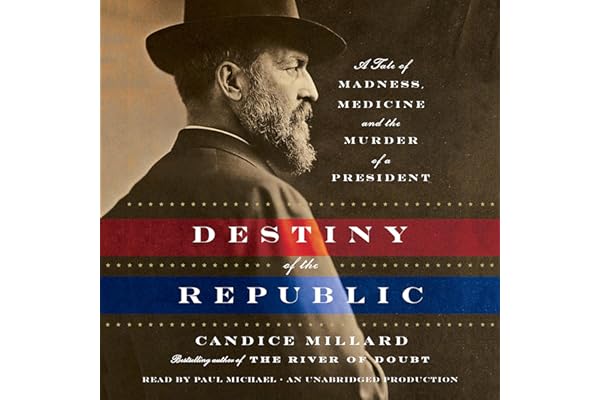
Destiny of the Republic: A Tale of Madness, Medicine and the Murder of a President

Destiny of the Republic: A Tale of Madness, Medicine and the Murder of a President


Price: $15.75
4.6/5

(8,122 reviews)

What Customers Say:

  • A well-researched and engaging work about a key time in our history
    Ms. Millard does American history writing a service in Destiny of the Republic in several ways: 1) Rigorous research; 2) Shining a light on a sometimes neglected part of our history; 3) Providing a terrific narrative arc.Research: History writing gained steam after Shelby Foote, I believe, re-engaged the public through his Civil War trilogy. In the avalanche of history books in the following decades there are hits and misses, the misses sometimes due to factual errors or too-breezy text. Ms. Millard demonstrates the craft of fine research and writing in Destiny of the Republic, incorporating diverse firsthand sources into her work – diaries, news articles, court records and interviews, as well as important analyses from magazines and books between the 1880s and today. Her precision and attention to detail are excellent.The author’s service to history readers extends to her portrait of Garfield who is easily overlooked in the line of chief executives. His demeanor and intellectual capacity are articulated well here. Re-introducing him to American history readers through this book brings him well-deserved attention even though he didn’t have time to fully leave his mark on the nation’s top office.Reviving the history of the late 19th century: Much has been written about the mid-century since The Civil War marks its 150th year in 2011. The early 1800s has been a hot topic through several books. The Oxford history series produced Empire of Liberty (1789 – 1815) and What Hath God Wrought (1815 – 1848). McCollough wrote the terrific biography of Adams that sweeps us wonderfully from the late 1700s into the 1800s, and his newest book, The Greater Journey, starts in the early 1800s and overlaps into the later 1800s, though its focus is Americans in France.A smart and notable book about the 1880s timeframe is Dark Horse from 2004, an important political look at Garfield and his contemporaries.Destiny of the Republic creates for us a framework for America at the time Garfield. America wrestled with various issues that we could easily not consider today. The assassination closely followed the Civil War and raised a question of renewed internal turmoil, American technology was at an inflection point, and our growing pains and pride were being exercised as we evolved from a frontier, still vibrant in the West, to a mechanized and just-emerging urban society in the East.Millard taps examples salient to this transformation of America, such as the medical theories of Joseph Lister that were not appreciated, and the tentative beginning that Bell experienced with his invention. Her use of these stories artfully brings the reader into a context of the time. The book solidly presents a needed perspective on the era via the thread of personal stories.Which brings me to the third point – the narrative arc of the book. In a September 15 Washington Post article, Ms. Millard says, “If I have learned anything about nonfiction writing, it is that the challenge is not in finding a great story to tell. More often than not, real life is so rich, complex and unpredictable that it would seem completely implausible in the pages of a novel. The difficulty lies in understanding the people you are writing about — not their actions, or even their thoughts, but their deepest character.”Recognizing that facet of history writing has proven critical and successful as Millard unleashes a narrative as engaging as any work of fiction. Destiny of the Republic pulls the reader in immediately. Its Prologue is storytelling craftsmanship that weaves suspense, a foreshadowing of murderous psychology and showing the reader that the author is going to provide rich elements to the history it explores.The book delivers a cohesive story. Other reviews have already applauded the narrative qualities of the book:In the Christian Science Monitor (September 13), Erick Spanberg says, “Millard builds a popular history that is both substantive and satisfying. Filled with memorable characters, hairpin twists of fate and consequences that bring a young nation to the breaking point …”Another reviewer says “… Candice Millard’s The Destiny of the Republic manages to do more than justify its existence. Indeed she manages to present a compelling, tense work of history, a book that has the potential to cross over in the way that Manhunt and Devil in the White City did.”This book deserves to be mentioned in the company of those excellent books. Millard has crafted diverse facts into a colorful mosaic of the times. Regarding her research, she notes in her book’s Acknowledgements: “…every time I visited one of these archives I found largely forgotten items that, more than a century after Garfield’s death, brought him suddenly and vividly to life.”Millard’s joy of discovery translates well to her narrative. Her enthusiasm is contagious.
  • Meticulous research, outstanding writing, and comprehensive presentation
    Having read Candice Millard’s The River of Doubt, an outstanding contribution to the literature on Theodore Roosevelt, it was with great anticipation that I purchased this book from Amazon and began to read about James Garfield. A forgotten President due to his short tenure in office, James Garfied is deserving of a higher place in history. Showing the convergence of an insane man, the medical community, and President James Garfield, Destiny of the Republic tells the story of how a tragedy shaped a nation and ultimately caused a change in society for the better.The book opens with the drowning of passengers aboard the Stonington and Narragansett after they collided in 1880. Insane con artist Charles Guiteau, who lived through the collision and believed his survival was a sign of his destiny, commits himself to killing James Garfied. Tracing his life as a preacher, liar, cheat, and delusioned politician, Destiny of the Republic carefully follows Charles Guiteau all the way through the assassination and finally his trial and execution. In the process we learn of the complexities of the not guilty by insanity plea as well as the problems of religious and political zealots. Getting into the mind of the crazed assassin, we gain from knowing the psychology and flawed mental thinking that could cause someone to kill a President.At the same time we read about Guiteau, we also learn about the medical community replete with its strengths and flaws of thinking at the time. Although antiseptic surgery was discovered by Joseph Lister and used in Europe, most American doctors did not accept it as an approach to medicine. Without direct knowledge of bacteria, many physicians did not consider the value of a sterile environment for practicing medicine. It was common and even a mark of success to operate with blood on the clothes and with used instruments. Doctors would often dig their fingers into wounds, probing for bullets or other objects, causing greater infection and rarely curing the patient. It was not uncommon for bullets to remain in patients for years as the body adjusted to the foreign object. The greater danger was often the doctors themselves. In Garfield’s case, Dr. Bliss insisted on being the primary physician and continually probed for the bullet, never finding it but slowly destroying Garfield by creating a bacateria filled canal that spread throughout the President’s body.In spite of the invention of a type of metal detector called the Induction Balance by famed inventor Alexander Graham Bell, a man known for the telephone and later the founding of the National Geographic Society, the bullet in James Garfield was never found. Although relentless in his pursuit of a way to help the President, Bell’s invention was not effective due to the attending physician’s wrong belief in the pathway and location of the bullet.The biographical information on James Garfield is thorough, authentic, and engaging. Born into a poor family, Garfield became a scientist, a scholar, a soldier, a civil rights advocate, a devoted family man, and finally a statesman. A reluctant although effective politician, Garfield became President because of his intellect and popular demand rather than shrewd campaigning. His destiny to be President seemed pre-written and a result of his remarkable alacrity and natural leadership abilities. Unable to harbor resentment, maintaining a positive disposition and a love of life, Garfield’s impact on society and culture was special and unique. These qualities and more add to the tragic circumstances of his life and death.The book is well-written with perceptive insights into personalities, politics of the time, assassinations, insanity, and medical developments. In spite of the objective presentation of the facts, the outpouring of emotions can be felt on nearly every page. We can almost feel the blind probing into the back of the President and the pain of the infection as it ravaged his body. We despise the doctors, we cheer for Alexander Graham Bell, and we continually hold in disdain the man who shot and ultimately killed him. This marvelous book is highly recommend for readers of history, assassinations, and political machinations of the time. Not easy to put aside, Destiny of the Republic has an overriding tone of men and women who make a difference in the world. Although tragic and sad, in many ways this book portrays hope for the future as we learn to appreciate the medical advances of our time.

Destiny of the Republic: A Tale of Madness, Medicine and the Murder of a President is one of the best-selling products with 8122 reviews and a 4.6/5 star rating on Amazon.

Current Price: $15.75

#7

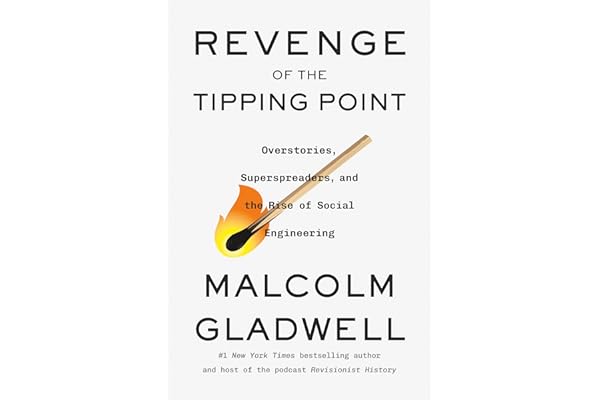
Revenge of the Tipping Point: Overstories, Superspreaders, and the Rise of Social Engineering

Revenge of the Tipping Point: Overstories, Superspreaders, and the Rise of Social Engineering


Price: $15.99
4.4/5

(5,131 reviews)

What Customers Say:

  • Gladwell Revisits Tipping Points, and looks at the dark side
    Malcolm Gladwell returns by revisiting the topic of his first book: The Tipping Point. As he states right at the beginning (pg 7) “I want to look at the underside of the possibilites I explored so long ago. If the world can be moved by just the slightest push, then the person who knows where and when to push has real power.”Gladwell writes the book in a style that will be familiar with anyone who has read his previous books. He is a gifted storyteller and each facet of the argument he is trying to make is introduced with a story.(Spoilers from here on out)Summary: Gladwell tries to find the mechanisms that explain the opioid epidemic in the US (prescription and illicit drugs). Gladwell shows how Purdue Pharma, along with guidance from the consulting firm McKinsey, leveraged certain concepts about the nature of epidemics to create the current crisis.Through the process he explores concepts including, “small town variation,” “overstories” – which he explains is his word for something resembling a Zeitgeist, revisits “tipping points” and monocultures among other topics.Central to his perspective is the way that stories shape our perspective, and how those who tell stories can shape the public consciousness. He gives a number of examples that capture this vividly.Along the way he grapples with some knotty moral questions. He explores engaging with minor discrimination to prevent vicious discrimination. He raises the issue of better methods of identification of potentially leading to profiling disadvantaged groups (in his primary example, the COVID virus was more likely to spread from people who were elderly and overweight.) He has an interesting perspective on Ivy League schools like Harvard using sports teams to maintain the student balance that they desire.Why should you read this book?- Gladwell is a writer who is not scared to ask big questions or explore knotty issues. His discussions about discrimination and about the way that the introduction of Purdue’s OxyContin gummies actually exacerbated the situation raises some challenging questions.- Gladwell’s writing style is engaging and fun to read. I read the book over a 24-hour period and am sure many others will do the same- Gladwell brings up anecdotes and stories that are not well known and will likely cause you to reconsider how you see things that you thought you knew.Some other notes:- Gladwell has stated at public lectures that looking back, there are aspects of his earlier writing that he no longer agrees with. Gladwell is someone who is clearly constantly exploring and learning and is not afraid to change his perspective on topics. I view his writing as deeply thought provoking but do not assume they are hard facts. (In this book, I have a hard time seeing how Madden’s triplicate forms would be considered an ‘overstory’ rather than a technical reality that impacted the drug epidemic.- Many of Gladwell’s previous books have introduced ideas that were widely adopted (tipping point is just one of them), so I would expect ideas from this book to circulate pretty widely.- This book does not discuss how social media impacts public opinion. It never mentions ‘fake news,’ contemporary politics, or other aspects of modern society (in 2024) that I had expected from the title.Is it for children: The book talks about Medicare fraud, drug abuse, suicide, White Flight and the Holocaust, so there are quite a few heavy topics. I do not recall any profanity or sexual content.Conclusion: Gladwell has put out another fascinating book that spans a wide range of topics and is sure to leave you thinking. It is a quick, engaging read, even as some of the topics are quite heavy.As with Gladwell’s other books, it is sometimes hard to tell if everything seems to be tying together neatly because in fact they do, or if it is Gladwell’s skill as a writer that makes it seem so. Reviewing the notes I wrote on the book, there were aspects that I was not sure fit perfectly, though that may be an indication of the limits of my understanding of the book, rather than a flaw in the content.Overall, it is a fun read that is thought provoking. And as noted, because Gladwell is so widely read, it seems likely that elements of this book will become widely known and shared. Interestingly, he touches on some ideas from The Tipping Point but almost never references them directly or even acknowledges which ideas he discussed in his earlier book.
  • Good book
    Good book. It’s a good light read, nice analysis of the opioid pandemic among other things. Like tipping point.
  • Truth is in the details.
    The title of this book could have been: “The Etiology of Change.” Etiology is a medical term meaning cause. And I use it here because Gladwell, as he did in the first Tipping Point, frames change in terms of an epidemic.The tipping point, of course, is the mass at which a duality moves inevitably, and often quickly, in the other direction. It’s important because all of existence is defined by dualities. Up is always accompanied by down. Left doesn’t exist without right. And so it is with the many social trends, such as housing, college acceptance, and the opioid crisis in which there are identifiable groups of individuals which share a distinguishing common trait (e.g. race, religion, addiction) within the larger group.The objective I believe the author is seeking is how to restore balance when imbalance shows its ugly mug. The search for balance is ubiquitous to nature because of the universal existence of dualities.The topics that Gladwell addresses (e.g., Why does Harvard have a women’s rugby team?) are as obscure as those he shared in the first book. And that alone makes the book informative and entertaining. He definitely has a nose for the obscurely interesting.And, as in all his books, the research is thorough and impeccable. He does, however, spend a lot of time quoting third parties in order to build his case. Perhaps more than necessary. I personally wish he spent more time expanding his conclusions. He has a strong enough reputation that he can assume our acceptance of his source observations.His conclusion, as I read it, is that we can understand far-reaching but perplexing social trends by looking into the details. The truth, or at least the greater truth, always hides there. And if we can uncover it, we can address the problem.Resolving the problem may not always be seen as “fair,” however. The solution, as he notes, is often counter-intuitive to society’s pre-defined solutions to the problem. And that’s where the book sometimes just stops. There are few real prescriptions for how to overcome that hurdle. I suspect Gladwell considered that to be beyond the scope of the book, but it did leave me wondering, “Okay, but what do I do with that?”To me, this is a book about context. We do tend to oversimplify everything in our everyday public discourse. And certainly in this election year the oversimplification is at a fevered pitch. We’re just yelling myths at each other. The world is far more complicated and nuanced than either political party is currently acknowledging.In that regard, this book is timely although Gladwell does not enter the political fray at any level. The book is more investigative journalism than opinion piece.Gladwell is lucid and profoundly curious. The book is an easy read, and you should be able to finish the book in just a couple of days. It is worth the time.
  • Riveting read and important to know
    Of all of the Gladwell books—and we have enjoyed them—this may be the most page turning. It also may be the most important one to understanding the complications and critical tipping points of MODERN life, informing us of the critical factors in thinking about how to go forward with them.It is a valuable primer on social engineering that not many of us have been thinking about, but that should be more important to us in understanding TODAY’S sociology. It should be assigned reading in any sociology course at any level. It would also be the most popular assignment.
  • Repetitive
    This is modestly interesting not very repetitive. The while book and it’s concepts could be covered in 1/5 of the pages and 1/5 of my time.
  • Worth a read
    Thought provoking book. Interesting follow up to the original Tipping Point. Well reasoned and researched stories that are tied together in typical Gladwell fashion.
  • Well worth the read
    I ordered this as a gift and once they finished it I had a chance to read it. If you have read the original Tipping Point this is a “change of heart” and interesting to read – different point of view this time.
  • Masterpiece by Gladwell
    The insight shared here can be used in many aspects of our lives, certainly a must read. Gladwell gives us the tools to stop epidemics.

Revenge of the Tipping Point: Overstories, Superspreaders, and the Rise of Social Engineering is one of the best-selling products with 5131 reviews and a 4.4/5 star rating on Amazon.

Current Price: $15.99

#8

The New Menopause: Navigating Your Path Through Hormonal Change with Purpose, Power, and Facts

The New Menopause: Navigating Your Path Through Hormonal Change with Purpose, Power, and Facts


Price: $17.72
4.7/5

(3,904 reviews)

What Customers Say:

  • Must Read for Women!
    This book breaks down the hormonal changes that ALL women will eventually experience and teaches you how to advocate for yourself in a healthcare environment that is often dismissive, under-educated, and ill equipped to diagnose and treat perimenopause. It’s more than hot flashes, ladies! Brain fog, anxiety, joint pain, palpitations, insulin resistance, skin changes, etc – these are all related to ovarian decline which starts much earlier than you think. Protect your health and read this book. I’ve worked in healthcare for 15+ years and learned so much!
  • Essential Reading for Anyone Who Cares About Women’s Health
    As a man, I picked up The New Menopause to better understand what the women in my life are going through, and I’m so glad I did. Dr. Mary Claire Haver explains menopause with clarity, compassion, and science-backed detail that opened my eyes to just how misunderstood this stage of life is. The way she breaks down hormones, sleep, mood, and metabolism made it easy to grasp even without a medical background. I now have a much deeper respect for the physical and emotional changes women experience, and I feel far more equipped to offer empathy and support. This isn’t just a women’s book, it’s a relationship-strengthening resource for anyone who wants to understand and care better.
  • This changed my life!
    I got a couple of chapters in and was weeping. I took it with me to a doctor’s appointment and discussed what I had learned. It had not even occurred to the doctor to check my hormone levels. We must advocate for ourselves and understand that everything is connected. Many of the lower reviews on here are because the book arrived damaged?? That says nothing about the book. Return and exchange it but don’t discount the information that is here. With that said, if you are not a HRT candidate for whatever reason, it may not be helpful to you.
  • BUY THE BOOK!!! Actually buy all the women you love a copy too!!!
    This is a must read. Do yourself a favor and buy the book. Every woman needs this book.
  • Mostly positive with a caveat
    Positive: there is quite a bit of information in this book about perimenopause and menopause. Dr. Haver gives long lists of symptoms and offers information on different types of treatment available, which is very helpful.Negative: My issue with this book is that while Dr. Haver does discuss importance of nutrition, exercise, and some non-pharmacological methods of dealing with sequelae of menopause, after you listen for a while, it feels like the only “real” answer to menopause is hormone replacement therapy. I struggle with the idea that the solution for everyone is hormone replacement and that no one ever has a negative experience with it. I realize that it is an important tool, and that the emphasis of the book is to dismantle unneeded fear of using hormone therapy as a tool; however, I do not buy the idea that it is THE solution and that it never makes things worse.
  • Must Read for Women
    Incredible read with so many great tips. Eye opening and thought provoking information. Every woman should read this book. It will help you!
  • What a great read for menopause..wow!
    My doctor highly recommends me to read this book. I normally don’t read medical books, but this one is a must as I’m going through perimenopause. What a great informative and resourceful. Thank you!
  • Great book on menopause
    I have followed Dr. Haver for two years now and she is so knowledgeable on this subject matter. This is a great book to read if you are 40 and older.

The New Menopause: Navigating Your Path Through Hormonal Change with Purpose, Power, and Facts is one of the best-selling products with 3904 reviews and a 4.7/5 star rating on Amazon.

Current Price: $17.72

Updated: Nov 26, 2025
Data from Amazon.com
8 products

Customer Reviews

5 star
70%
4 star
20%
3 star
7%
2 star
2%
1 star
1%
John D.
★★★★★
March 15, 2024
"Great product! Exactly as described. Fast shipping and excellent quality."

Product Specifications

Brand Amazon Brand
Material High Quality
Dimensions See product details
Weight See product details