
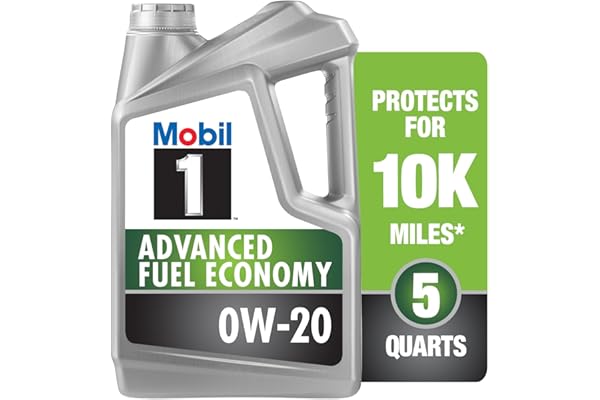
Mobil 1 Advanced Fuel Economy Full Synthetic Motor Oil 0W-20, 5 Quart
Price: $27.97
What Customers Say:
-
Richard RigdonWorks greatGood oil great price
-
sandyGreat Motor Oil for My Car!This Mobil 1 full synthetic motor oil is really great! After using it in my car, the engine runs quieter and the fuel economy improved a bit. The 0W-16 viscosity is perfect for newer small-engine vehicles. The price is reasonable and the shipping was fast. Highly recommended!
-
Yan CarlosPerfectThis motor oil performs exceptionally well, keeping the engine running smoothly and efficiently. From the first use, it reduces friction and noise, ensuring that the engine feels more responsive. It flows easily even in cold starts and maintains stability under high temperatures, protecting the engine from wear and tear.I also noticed improved fuel efficiency and overall engine performance after regular use. The packaging is practical, easy to pour, and clearly labeled for the correct viscosity.Overall, this motor oil is a reliable choice for anyone looking to prolong engine life and maintain peak performance. Highly recommended.
-
tobySmooth engine performance, great value synthetic oilMobil 1 is a trusted brand. After using this 0W-20 oil, cold starts are smoother and engine runs quieter. Perfect for daily driving and road trips. One 5-quart bottle is just right for a full oil change.
-
Amazon CustomerExcellent Engine Protection and PerformanceMobil 1 Extended Performance 0W-20 is fantastic! It provides excellent engine protection and keeps my engine running smoothly. I love that it can last up to 20,000 miles between oil changes without breaking down. It also handles extreme temperatures really well, from cold starts in winter to hot engine conditions. Overall, a top-quality motor oil that gives me peace of mind. Highly recommend!
-
Paul LeeSynthetic Oil.Very good oil. Reasonable price 10w-30.
-
Happy_CamperGood oil, even if it darkens too soon.I have been using Mobil 1 products for years, and this Advanced Full Synthetic 5W-20 keeps proving why it is still a strong choice. The oil pours clean and clear, and while I did expect it to stay lighter in color longer, it does turn brown faster than I would like. That said, the peformance in the engine is what really matters, and in that respect it delivers. My vehicle runs consistently smooth with no overheating issues, even in stop-and-go traffic. There are also no strange noises from the engine, which speaks well to the protection this oil provides. Cold starts in the morning are quiet, and acceleration remains steady without any hesitation.
-
Ed BMobil1 Motor Oil – Storied BrandMobil1 is a top tier synthetic motor oil with a storied history of performance in racing, industrial, and civilian applications. A solid choice.
Mobil 1 Advanced Fuel Economy Full Synthetic Motor Oil 0W-20, 5 Quart is one of the best-selling products with 49618 reviews and a 4.8/5 star rating on Amazon.
Key Features:
Mobil 1 Advanced Fuel Economy full-synthetic motor oil 0W-20 is low-viscosity to help improve fuel economy.*Utilizes Mobil 1’s signature Triple Action Formula to deliver outstanding engine performance, protection, and cleanlinessHelps protect critical engine parts for up to 10,000 miles between oil changesm,** controlling oxidation to prevent oil breakdown and maintaining excellent viscosityMeets ILSAC GF-6 standards to help provide low-speed pre-ignition (LSPI) and timing chain wear protection while keeping your engine cleanHelps extend engine life by working to prevent damaging deposits and sludge buildup
Product Specifications:
Viscosity: 0W-20Brand: MobilVehicle Service Type: Car, TruckFlash Point: 224 Degrees CelsiusUPC: 071924449671
Current Price: $27.97